Compare competing quotes from vetted installers who work in San Bernardino County, priced for your roof and your actual utility. On your own time.
Free · About two minutes · No obligation
Southern California Edison delivers across most of the county, with Colton, Rancho Cucamonga and parts of Victorville on their own municipal utilities. Several communities also buy generation through a Community Choice Aggregator while SCE keeps the wires, which changes who sets your export credit without changing who fixes the pole outside.
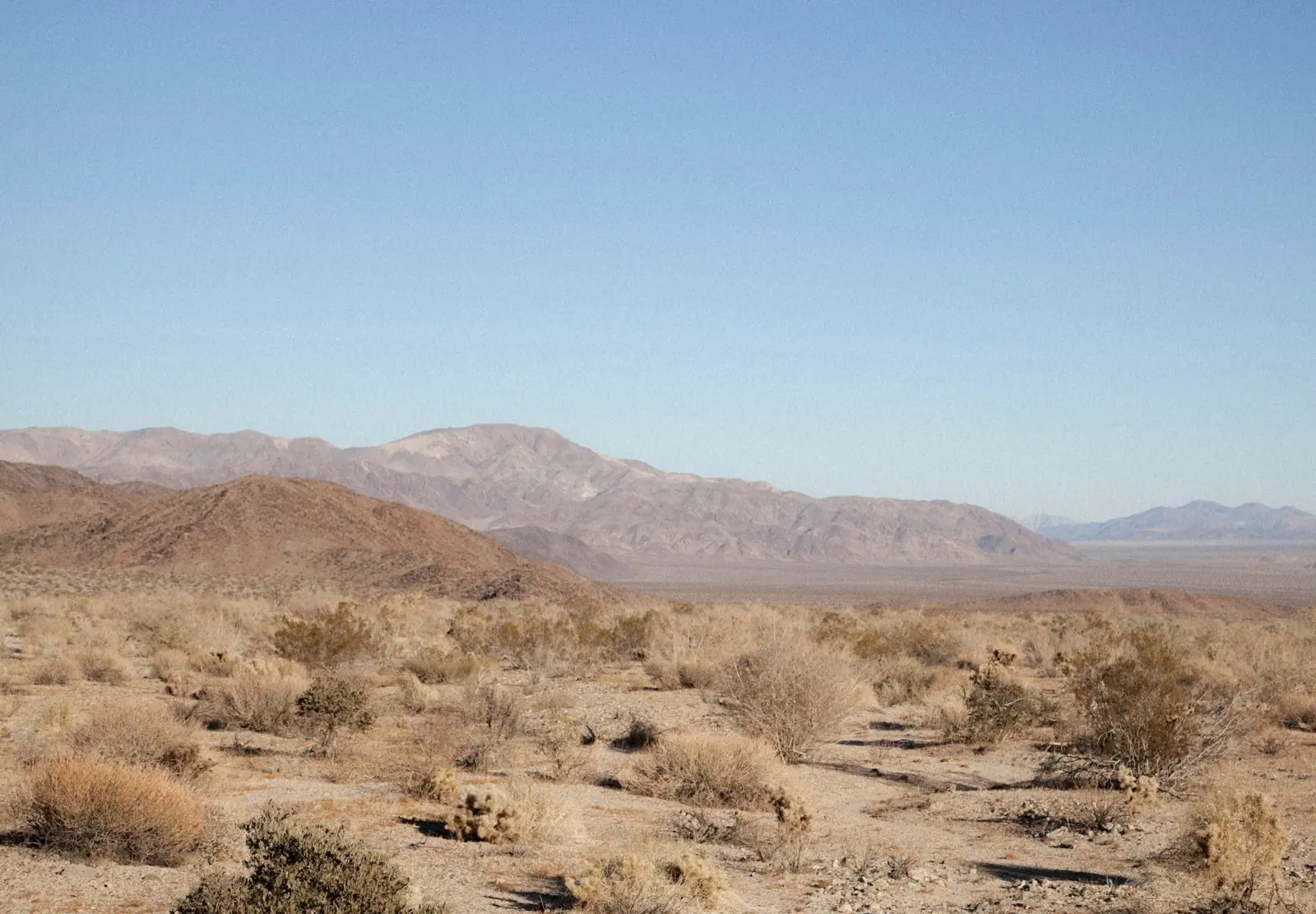
The county is really two climates. The valley floor around Ontario, Fontana and Rancho Cucamonga is hot inland suburb. Up over the Cajon Pass, the High Desert around Apple Valley and Victorville runs hotter still in summer and genuinely cold in winter, with enormous swings between them. Sizing that ignores which side of the pass you are on will be wrong.
Ask any installer quoting you whether you are valley or High Desert, because the usage pattern and the right system size differ sharply. If the quote does not name your utility, it is working from an assumption.
Address, roughly what you pay, and what you are after. Enough to price a system properly.
Vetted installers price your system. You see them together, on the same basis.
Pick the quote that fits. The installers you do not choose never receive your details.
Southern California Edison, plus municipal utilities and several CCAs. In this county the answer genuinely varies by address, so check your own bill rather than assuming from the city name.
Yes, enough that it should change the design. Over the Cajon Pass the summers run hotter and the winters get genuinely cold, so the annual usage curve looks different from Ontario or Fontana. Clear desert skies also mean strong production. A design that does not account for which side of the pass you are on will be sized wrong.
For most households here with a monthly bill over $150 the economics work, but the honest answer depends on your roof orientation and shading, how much power you use and when, your rate plan, and how you pay for the system. Those move the result far more than the choice of panel brand. The number worth having is the one on a real design for your address, which is what comparing quotes gives you.
California residential solar is generally quoted around $2.40 to $3.25 per watt in 2026, putting a typical system in the high teens to mid thirties of thousands before financing. Adding a battery usually adds $10,000 or more depending on capacity. Note that the federal residential clean energy credit expired on December 31, 2025, so a purchased system in 2026 does not carry it. Leases and power purchase agreements are treated differently, because the system owner is a business.
Under the state Net Billing Tariff, power you export earns far less than power you buy back during the evening peak, so storing your own production is generally worth more than exporting it. Whether that justifies the added cost depends on your usage pattern and your rate plan. If your address is served by a municipal utility, different rules may apply entirely.
Usually six to fourteen weeks from signing to switch-on. The crew is on your roof for one to three days of that. The two waits that actually decide your timeline are the building permit and your utility's permission to operate, and neither is under your installer's control.
A few questions, then competing quotes from vetted installers serving San Bernardino County.