No. California Civil Code 714 voids HOA rules that block solar. What counts as a reasonable restriction, and the 45-day deadline boards miss.
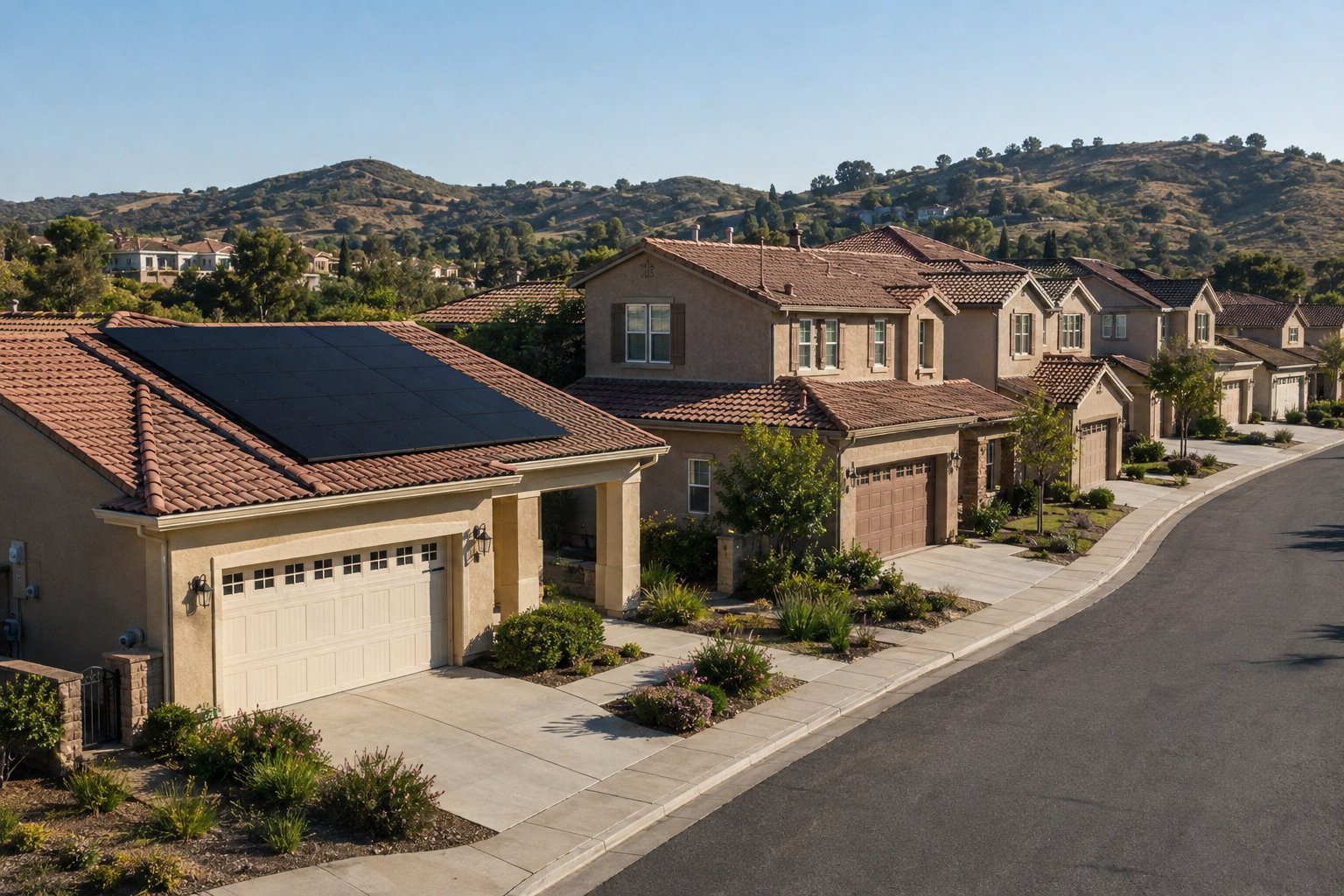
An HOA in California cannot stop you from putting solar on your own roof. State law is direct about it, and a rule in your CC&Rs saying otherwise is void.
California Civil Code 714 voids any HOA rule that effectively prohibits solar. Your association can impose aesthetic conditions, but only ones that add less than $1,000 to the cost or cut output by less than 10%. It has 45 days to deny your application in writing, and if it misses that deadline the application is approved by default. Condos and shared roofs run on a separate statute with more requirements.
The law in one sentence
Civil Code 714 makes void "any covenant, restriction, or condition" that effectively prohibits or restricts installing a solar energy system.
That includes the CC&Rs you agreed to when you bought the house. A clause banning rooftop solar is unenforceable no matter how long it has been sitting in the governing documents.
What an association keeps is the right to impose "reasonable restrictions." Every real dispute lives inside that phrase.
What "reasonable" means, in numbers
The statute defines it rather than leaving it to argument. For a photovoltaic system, a restriction stops being reasonable when it does either of these:
Adds more than $1,000 to the cost of the system as you originally specified it.
Cuts system efficiency by more than 10% from what you originally proposed.
Those two numbers do most of the work. An HOA can ask for black frames instead of silver, or conduit run inside a wall instead of across it. It cannot require a layout that shifts half your array onto a north-facing slope, because that fails the efficiency test. It cannot demand a screening structure that costs $4,000, because that fails the cost test.
Both tests measure against your original proposal, which makes what you submit matter. A vague application gives you nothing to measure a counter-proposal against.
The 45-day clock
This is the most useful part of the law and the least known.
If your association does not deny your application in writing within 45 days of receiving it, the application is deemed approved. Not "you may follow up." Approved.
There is one exception. The clock pauses if the delay comes from a reasonable request for more information, so a board that comes back with a genuine question has not blown the deadline. A board that simply goes quiet has.
Submit in a way that creates a record of the date. Hand it to a board member at a barbecue and you have no clock.
What your HOA can legitimately ask for
Quite a lot, and granting the reasonable requests usually beats fighting all of them.
Panel and frame color. Placement relative to the roofline. Conduit routing. Screening for ground equipment. Restoration obligations if the system ever comes off. Proof of a licensed contractor and pulled permits.
None of that is obstruction. An association engaging on those points is doing its job, and a homeowner who treats every condition as a violation tends to spend a year on something that could have taken six weeks.
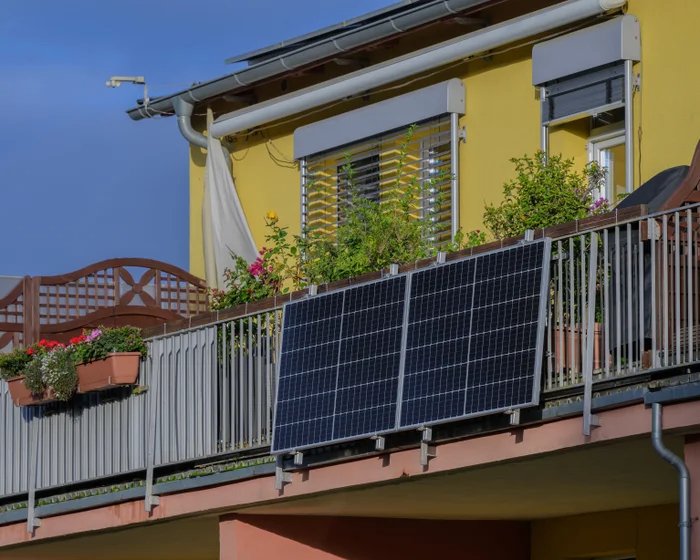
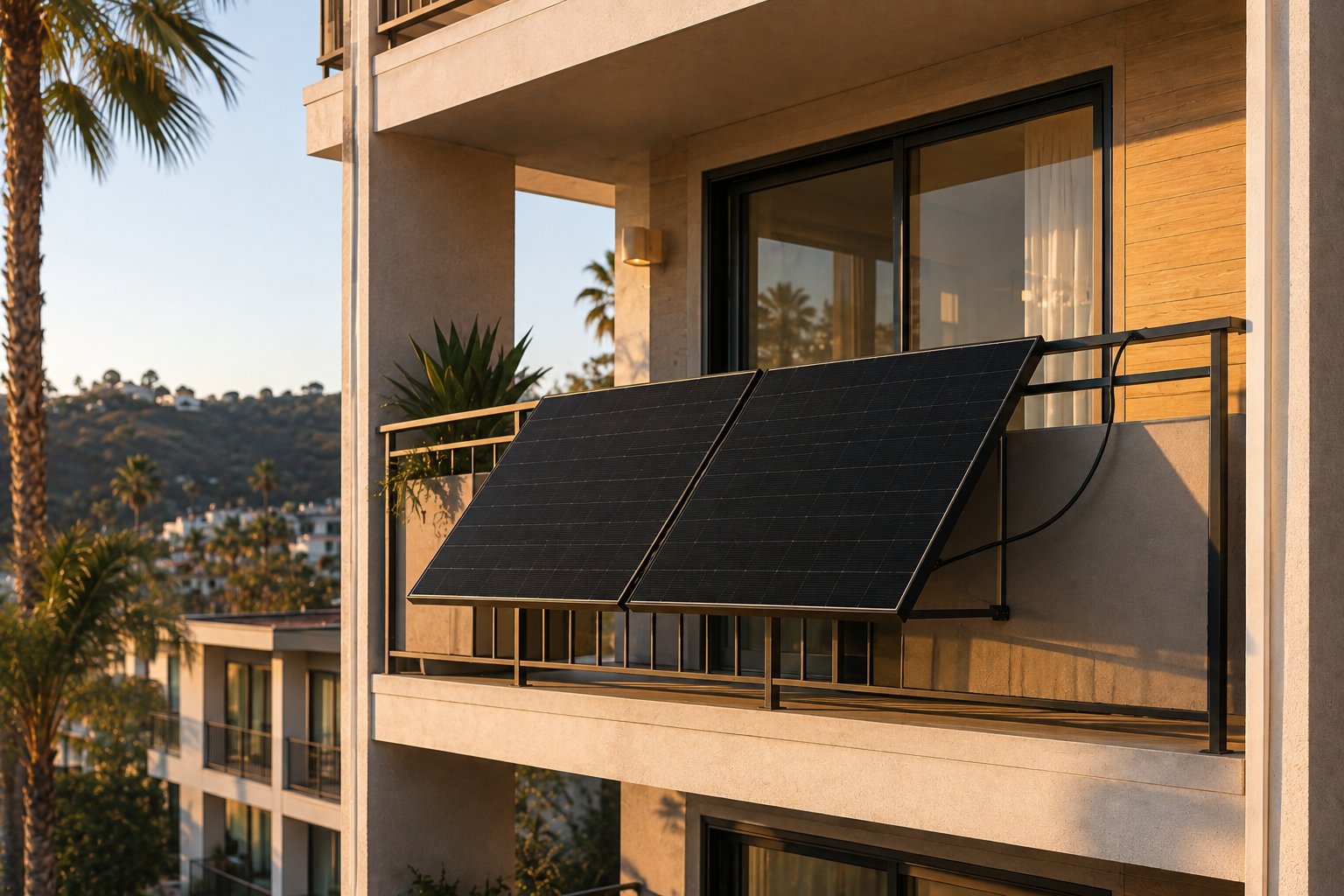
Condos, townhomes and shared roofs
Different statute, different answer. When the roof is common area rather than yours, Civil Code 4746 governs and the association can require considerably more.
It can make you notify every other owner. It can require liability insurance with annual proof. It can require a solar site survey showing roof space has been allocated equitably among units, so one owner cannot claim the entire south face. It can put maintenance and restoration costs on you.
That is a real process rather than a rubber stamp. If you are in a condo or a townhome with a shared roof, start earlier than you think you need to.
If they deny you anyway
The statute has teeth, which is unusual for this area of law.
An association that willfully violates Section 714 is liable for your actual damages plus a civil penalty of up to $1,000. The prevailing party is also awarded reasonable attorney's fees, which changes the math on a dispute considerably. A board that hears this from its own counsel tends to reconsider.
This is general information rather than legal advice. If you have a written denial you believe is unlawful, talk to an attorney who handles Davis-Stirling matters.
The denials that usually don't hold up
Boards deny for reasons that sound sensible and stop being sensible once you apply the statute's own test.
"It's visible from the street." Visibility by itself is not grounds for denial. The question is only whether the fix the board wants clears $1,000 or 10%. Asking for black frames passes that test comfortably. Ordering the whole array around to the back of the house usually does not.
"We'll review it at the next board meeting." Meeting calendars do not extend the 45 days. If the next meeting is seven weeks out, that is the association's scheduling problem, not a pause on your clock.
"Our CC&Rs prohibit roof modifications." A general ban on roof modifications cannot be turned into a solar ban. Section 714 voids restrictions that effectively prohibit a system regardless of how broadly the underlying rule was written.
"You have to use our approved contractor." An association can require that whoever does the work is licensed. Narrowing that to one vendor is a different thing, and the cost test still applies: if their contractor prices the job more than $1,000 above the proposal you submitted, the condition has failed the statute.
Why timing matters more this year
Two things belong on the same calendar.
An HOA review runs alongside permitting and utility interconnection, not instead of them.
Solar projects in California already take longer than most people expect, and 45 days of architectural review stacked on top can add a month or more to the finish date.
That collides with a hard deadline.
California's property tax exemption for solar expires January 1, 2027, and it attaches when the system is finished, not when the contract is signed. If you are in an HOA and you want to land on the right side of that date, the application is the thing to start now.
Before you apply
Pull the governing documents and read the architectural review section. Ask for the application form in writing. Submit a specific proposal with layout, equipment and placement, because the statute measures every counter-proposal against what you originally specified. Date-stamp the submission so the 45 days are provable.
All of which needs a real design first.
Compare quotes from installers in your area and you'll have the layout and equipment list your HOA application asks for.