
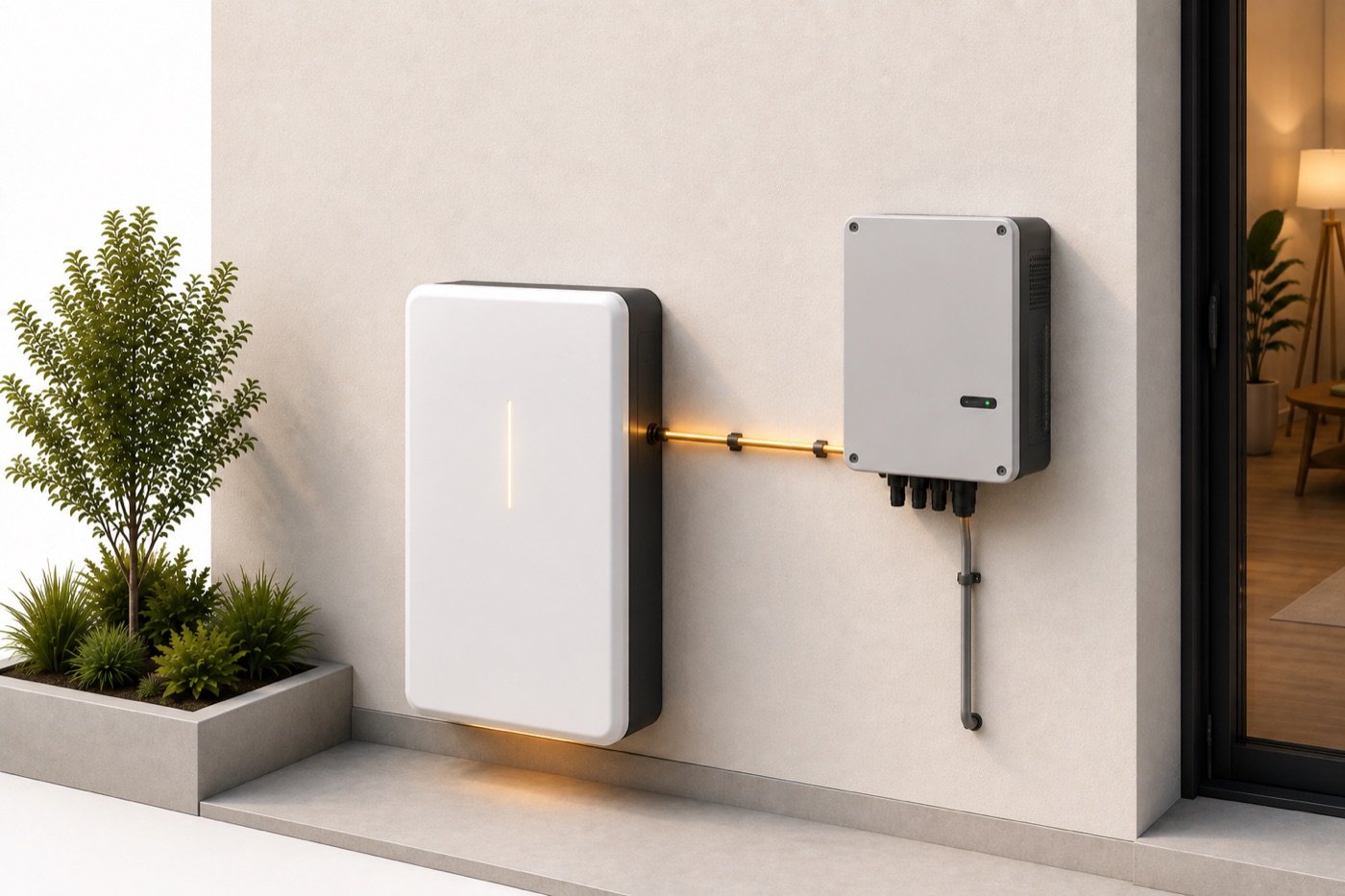
A home battery stores the energy your solar produces (or buys cheap power overnight) so you can use it whenever you need it: during peak-rate hours, when the sun isn't shining, or in the middle of an outage.
Get a Battery QuoteSince California switched to the Net Billing Tariff (NEM 3.0) in April 2023, the credit you receive for exporting excess solar back to the grid dropped roughly 75% compared to NEM 2.0. Solar alone now pays back much more slowly, and the value of every extra kWh your panels produce during the day has fallen sharply. A home battery flips that math. Instead of giving away cheap midday solar, you store it and use (or export) it during the high-value evening peak window, typically 4 PM to 9 PM, when grid power is most expensive and NEM 3.0 export rates are several times higher than they are at noon. For most California homeowners, adding a battery is now the single biggest lever to make solar economically worthwhile, accelerate payback, and protect yourself from rising time-of-use rates and rolling outages.
And if you're in California, your battery may qualify for the state's Self-Generation Incentive Program (SGIP), which can cover a large share of the cost depending on your income, utility, and whether you live in a high-fire-risk area. Three tiers determine your rate, and most homeowners guess wrong about which one they qualify for. Take our 2-minute SGIP quiz to see your tier before you compare quotes.
Many utilities outside California (and several municipal utilities within it) still offer full retail net metering, where every kWh you send to the grid earns a credit equal to what you pay for power. In those areas a battery isn't required to make solar pencil out, because the grid effectively acts as a free, infinite battery. But that doesn't mean storage has no value. A battery still gives you reliable backup during outages and storms, locks in lower bills if your utility has time-of-use or demand charges, and keeps more of the energy your panels produce flowing through your own home instead of out to the grid. As utilities everywhere shift toward time-based pricing and less generous export credits, adding a battery future-proofs your system against the next rate change.
Both are best-in-class. The right one depends on your home, your existing solar, and how you want to expand later.
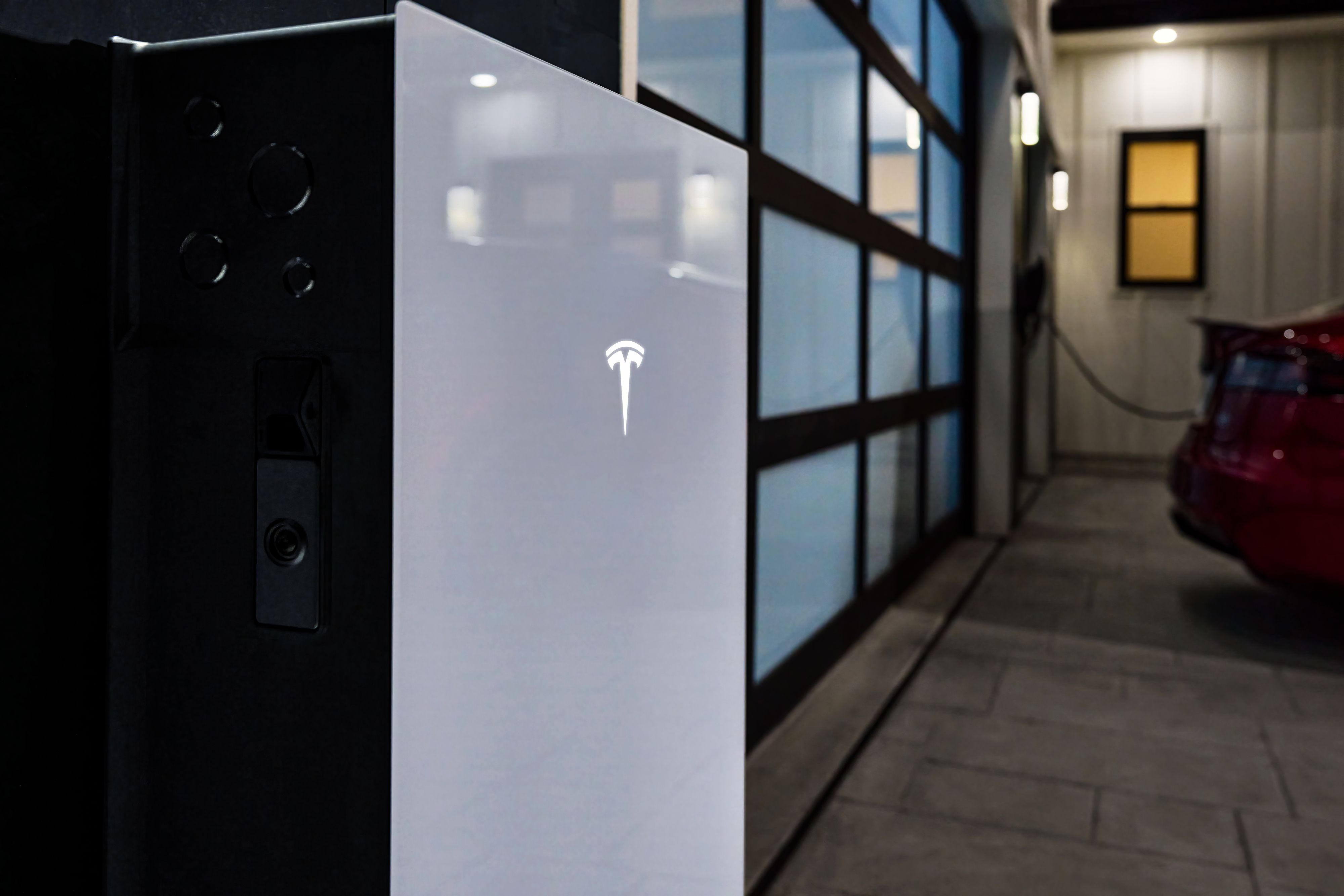

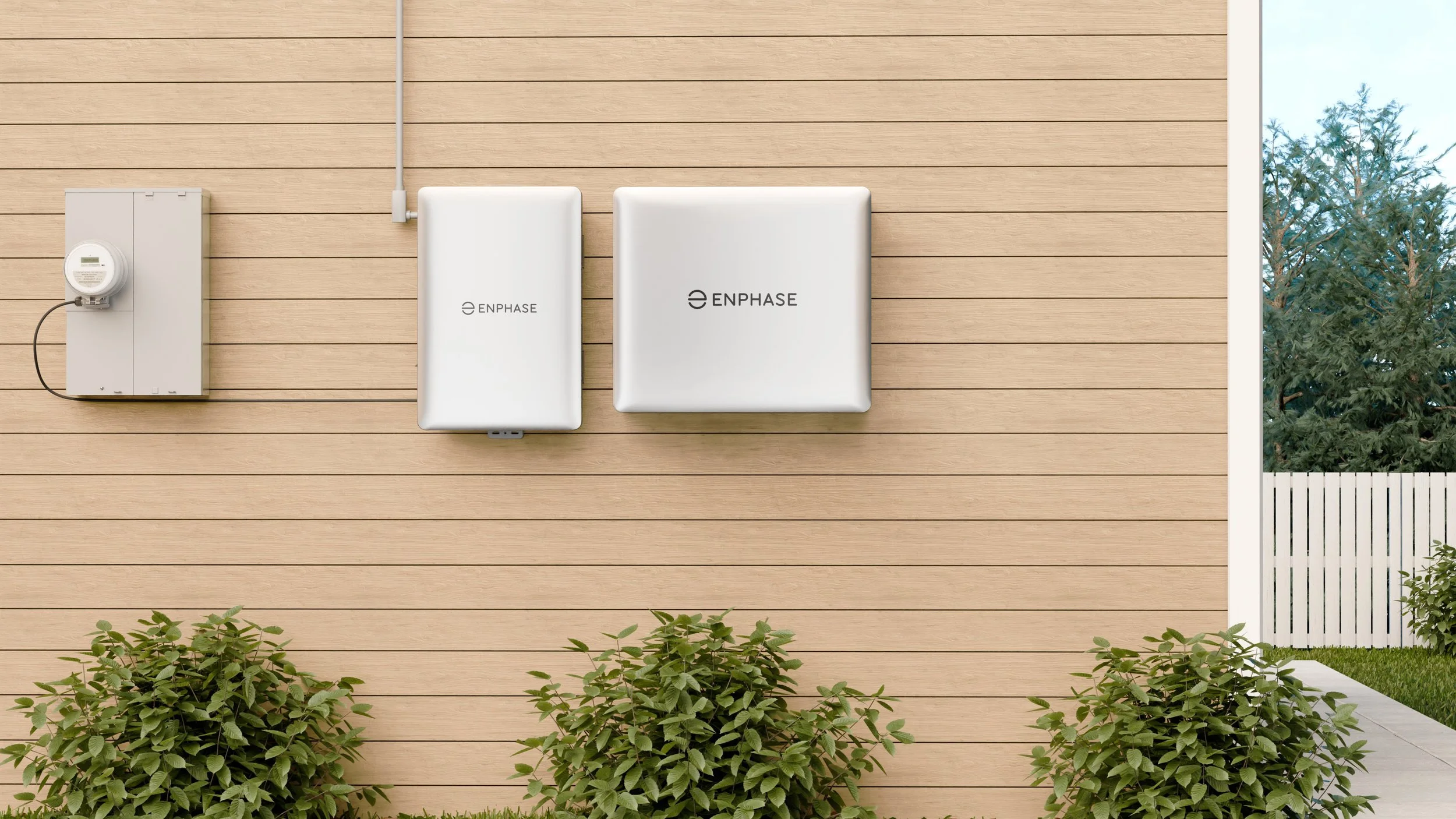

Under NEM 3.0 in California, usually yes. The tariff slashed what utilities pay you for solar you export during the day, so sending power back to the grid barely moves the needle now. A battery lets you bank that midday production and spend it during the 4-9 PM peak, when power is most expensive. Without one, most of that value slips away.
For most California homes on a time-of-use rate, it's the single biggest factor in whether solar pays off. A battery moves your cheap daytime solar into the pricey evening window, shields you from peak rates that keep climbing, and keeps the lights on in an outage. Whether it pencils out for you comes down to your usage and rate plan. Exactly what comparing quotes shows you.
Often, yes. It depends on the battery's power output and which loads you're running. A Tesla Powerwall 3 puts out 11.5 kW continuous, enough to cover big draws like AC or an EV charger in many homes. Larger homes, or ones running several heavy loads at once, may need a second unit or a backup panel that prioritizes essential circuits.
It comes down to how much power you use after sundown and how much of the house you want covered. Backing up the essentials (fridge, Wi-Fi, lights, a few outlets) takes far less than running the whole home including air conditioning. An installer sizes it from your actual usage, and side-by-side quotes let you see those options on your own time.
Both are top-tier. The right pick depends on your setup. The Powerwall 3 fits the most capacity into one unit (13.5 kWh, with a solar inverter built in) which keeps a new install clean and simple. The Enphase IQ Battery 10C is modular, so you start small and stack more later, and it's built to pair with an all-Enphase microinverter system. Neither is "better" in the abstract.
Not by itself. A home battery gives you backup during outages and lets you store solar for later, but most setups stay tied to the grid and switch over automatically when it goes down. Going fully off-grid takes much more storage and generation, and means giving up the grid as a safety net, which rarely makes sense where utility power is available.
Then a battery is optional, not essential. If your utility still offers full retail net metering, the grid effectively acts as a free battery, crediting your exports at the same rate you pay. Storage still earns its keep through outage backup, protection from time-of-use or demand charges, and keeping more of your own power at home. It also future-proofs you as export credits shrink over time.