Is Plug-In Solar Legal in California? Where SB 868 Stands
Plug-in solar isn't legal in California yet. SB 868 passed both houses August 25 and is on the Governor's desk. He has 30 days to act.
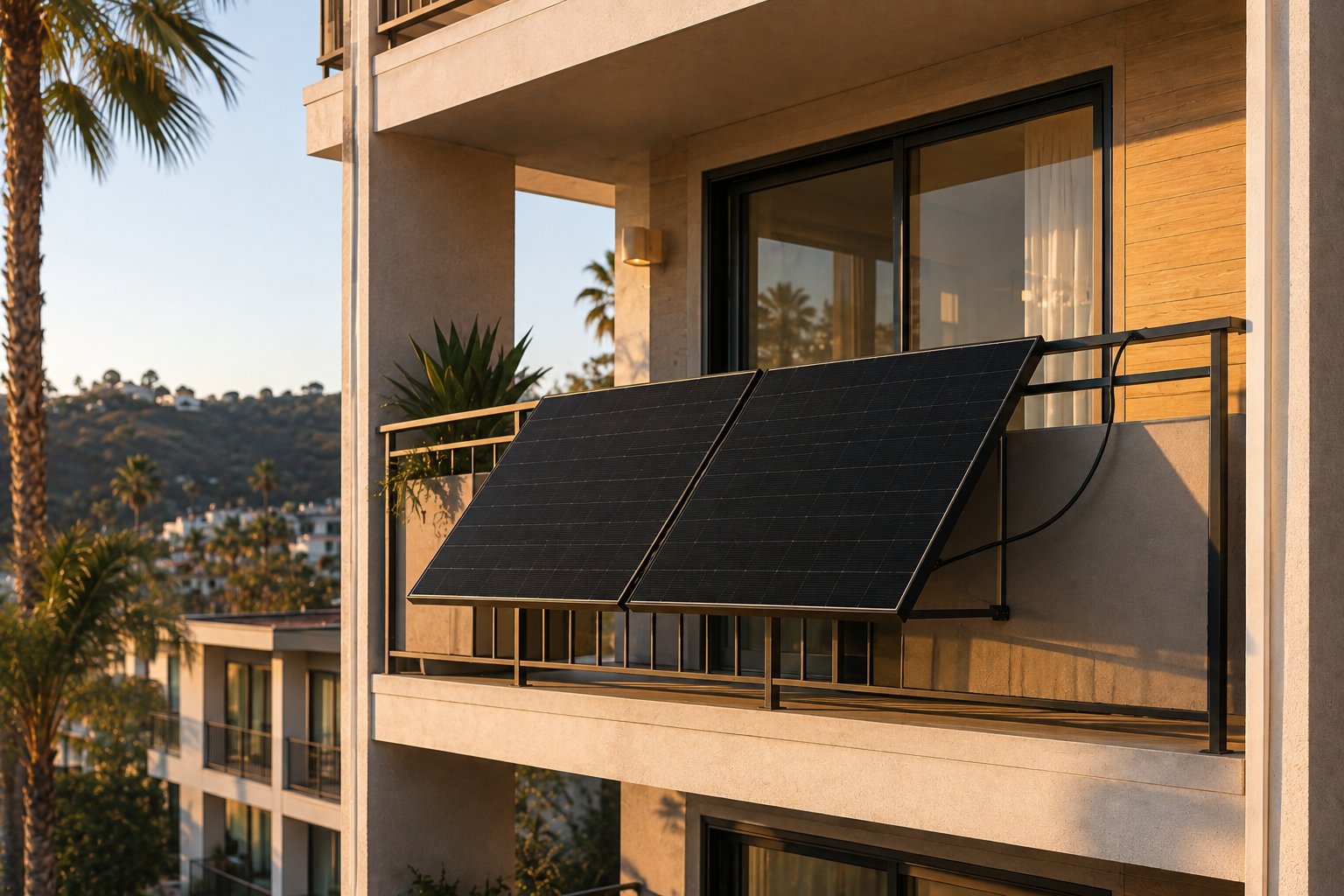
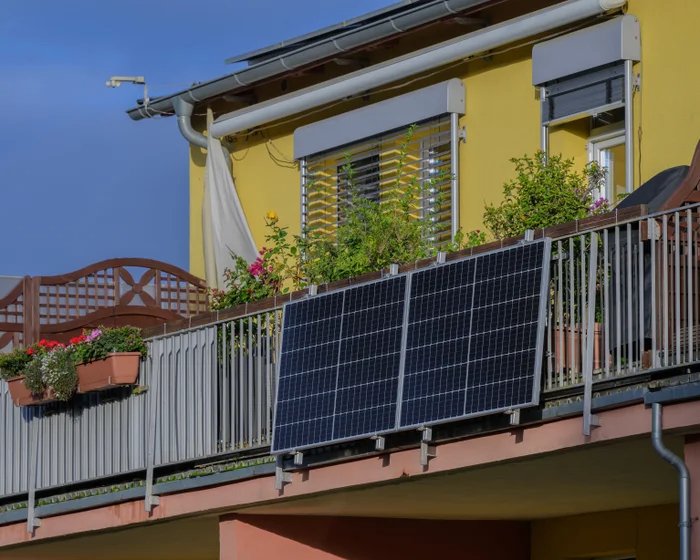
A plug-in solar panel costs a few hundred dollars, hangs off a balcony railing, and plugs into a normal wall outlet. In Germany something like this sits on well over a million balconies. In California you cannot legally plug one in. As of August 25 the bill that would change that has passed the Legislature and is sitting on the Governor's desk.
Plug-in solar is not legal in California yet. SB 868 would allow it, capped at 1,200 watts per home, with no utility approval and no interconnection application. It came off the Appropriations suspense file, passed both houses on August 25, and went to the Governor. He has 30 days to sign it, veto it, or let it become law unsigned. If it becomes law, it takes effect January 1, 2027.
What plug-in solar actually is
It goes by a few names. Plug-in solar, balcony solar, plug-and-play solar. The idea is the same in all of them: one or two panels with a small inverter built in, hung on a railing or a fence or set on a flat roof, running to a standard 120-volt outlet.
There is no electrician, no roof penetration, no permit under the proposed rules, and no equipment added to your panel. You plug it in. The power it makes is consumed by whatever is already running in your home, and your meter simply sees you drawing a little less from the grid.
That last part is the whole design. It is not trying to export power. It is trying to shave the baseline your home pulls all day.
So is it legal in California right now?
No. Not today.
The obstacle is not a law that bans plug-in solar by name. It is that California treats anything that generates electricity and touches the grid as a generator, which drags it into the interconnection process: an application to your utility, an approval, and equipment requirements written for a rooftop array. Running that process for a 300-watt panel on a balcony railing costs more in paperwork than the panel costs.
So the practical answer is that nobody sells it here for grid-connected use, because nobody can get it approved.
What SB 868 would change
SB 868 is titled the Plug-In Solar Act, and it creates a category the current rules do not have: a portable solar generation device.
The specifics, from the bill text:
- 1,200 watts maximum of aggregate AC output per dwelling. That is the ceiling, not per panel.
- No interconnection requirements. The bill exempts these devices from them outright.
- No utility approval before installation. A utility cannot require you to get signed off first.
- No fees, and no requirement to add equipment beyond what is already built into the device.
- UL certification required. The device has to be certified as a plug-in photovoltaic system by Underwriters Laboratories or an equivalent testing lab, including certified anti-backfeeding features. This is the safety spine of the bill and it is not optional.
- Utilities may ask you to fill in a simple online registration with your address and the make, model and size of the device. Registration is not a gate. They cannot withhold anything if you skip it.
The anti-backfeeding requirement is the part worth understanding, because it is what makes the rest defensible. A certified device shuts off when it stops seeing grid voltage, so it cannot energize a line that a utility worker believes is dead.
Where the bill actually stands
It cleared the last legislative hurdle, and the votes were never the hard part.
SB 868 passed the full Senate on May 19, 2026 by 35 to 1. It cleared the Assembly Committee on Utilities and Energy on June 11 by 18 to 0. Those are not close votes. On the policy merits this bill has had almost no organized opposition in either house.
The real risk was never a floor vote. On August 5 it was placed on the Assembly Appropriations suspense file, which is where bills with a fiscal cost go to wait. The CPUC had costed SB 868 at $200,000 to $500,000 a year. Everything on the suspense file gets decided in one sitting, usually with no debate and no explanation, and a held bill is simply dead for the session. Bills that passed every policy vote unanimously have died there without a word.
It came off. Both houses passed it on August 25, 2026, and it went to the Governor.
He now has 30 days to sign it, veto it, or do nothing and let it become law without a signature. That is a genuinely separate decision from the votes, and a veto is still a veto. If it becomes law, it takes effect January 1, 2027.
So the honest state of things: every vote is in, the last one is not a vote, and there is still nothing you can legally plug in today.
What 1,200 watts is actually good for
Set expectations correctly here, because this is where plug-in solar gets oversold.
A typical California home uses somewhere between 500 and 1,000 kilowatt-hours a month. A 1,200-watt plug-in setup is a small fraction of a rooftop system, and what it produces depends on the same things rooftop production depends on: which way it faces, what shades it, and where you live. It is not going to zero out a bill.
What it does do is reduce the power you buy during daylight hours, on a purchase you can make yourself, move to a new apartment, and take with you when you go. For a renter, that combination does not otherwise exist.
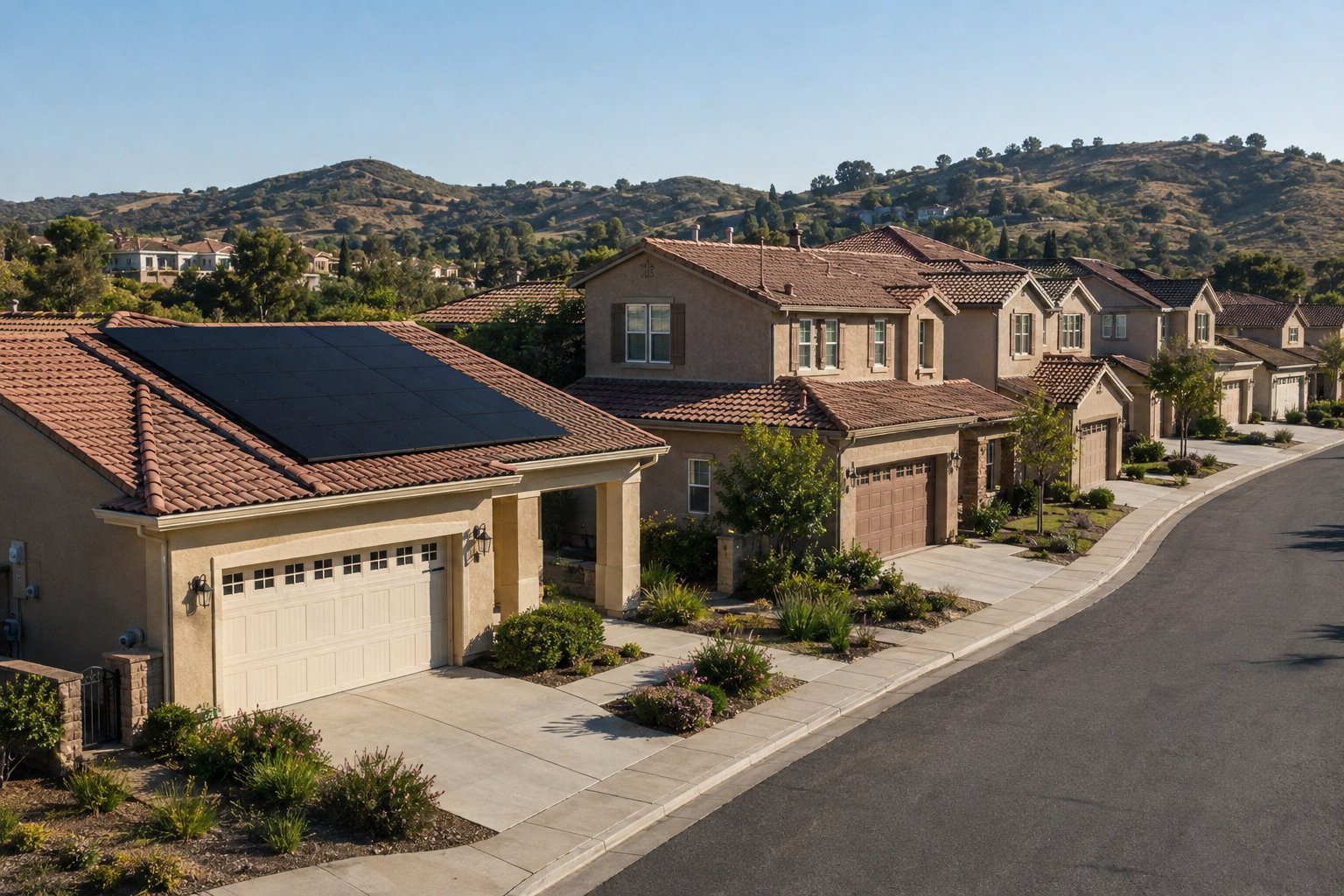
If you own a house with a usable roof, plug-in solar is not the interesting option. A full rooftop system will do far more. Plug-in matters most for the people rooftop cannot serve at all.
If you rent, read this part
Here is the caveat that most coverage of SB 868 skips.
The bill does not address landlords, and it does not address HOAs. It removes the utility from the equation. It says nothing about whether your lease lets you hang a panel off the balcony, or whether your HOA's rules on exterior modifications apply.
California has existing law protecting solar access in some contexts, but the plain reading of SB 868 is that it does not hand renters a right to install over a landlord's objection. If you rent, you will still be having a conversation with whoever owns the building. Worth knowing before you order anything.
What to do between now and January
Nothing to buy yet, and be skeptical of anyone selling you a California plug-in system today. Passing the Legislature is not the same as being legal, and January 1 is not the same as tomorrow.
If you want to know the moment this is actually legal here, we are keeping a list. No deposit, no order, no money, because there is nothing legitimate to sell until the law changes. It is a list of people to notify.
Join the plug-in solar waitlist
And if you own your roof, the better answer is probably the one that has been available all along. Compare a few quotes and see what a full system actually looks like for your house before betting on a bill that still needs a signature.
Compare top installers in your area