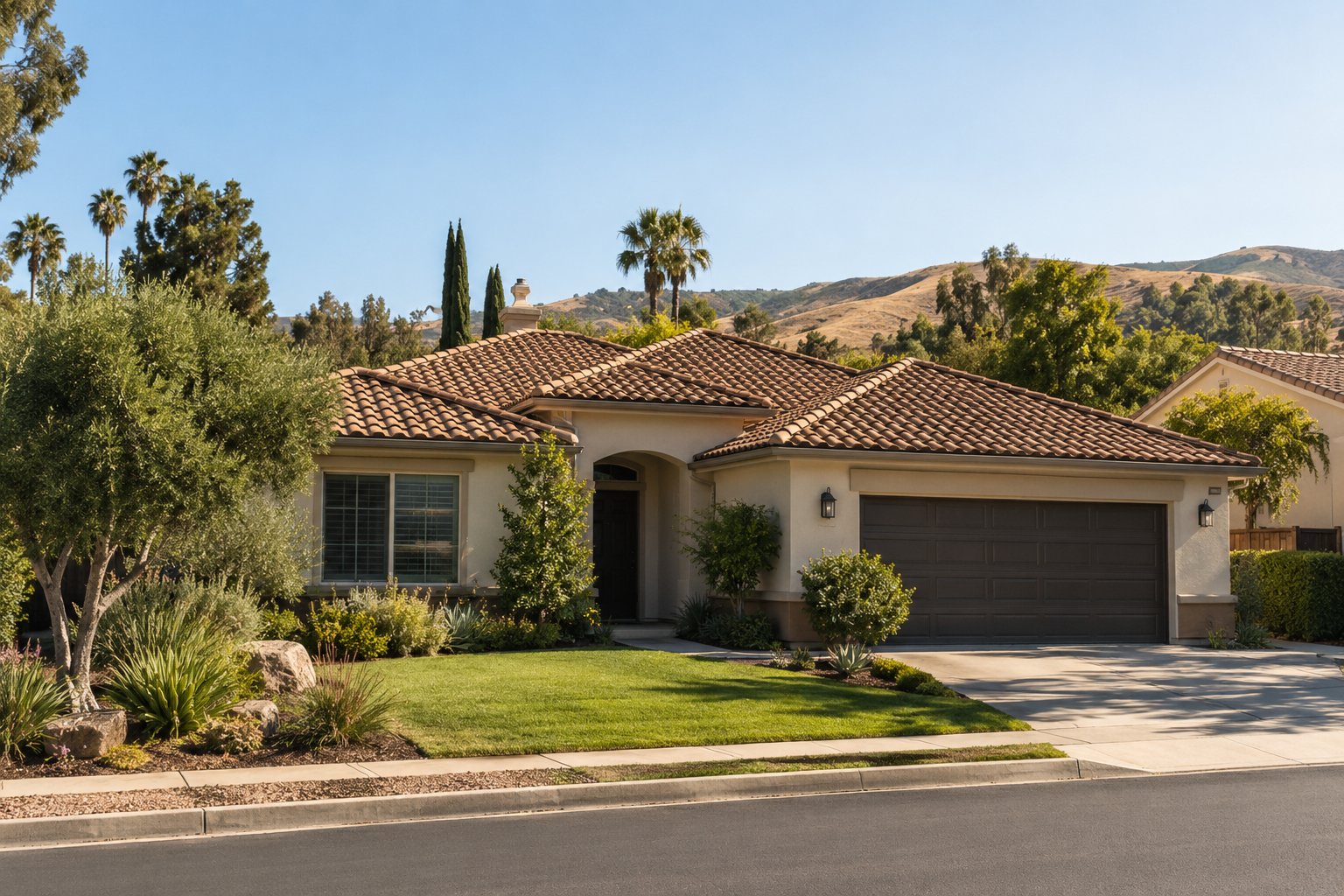
Roof age is the wrong question. What matters is years of roof life left versus 25 years of panels on top, and what it costs to take them off and put them back.
This is the question that stalls more solar projects than price does. And the answer is not really about your roof's age. It is about how many years your roof has left compared to how long the panels will be sitting on it.
If your roof has more than about 10 years of life left, you can usually go straight to solar. If it has less than 5, replace it first. The 5-to-10-year band is the genuine judgment call. The reason it matters is that taking panels off and putting them back on later is a real cost, commonly quoted in the low thousands of dollars, and it buys you nothing.
The actual rule of thumb
Most residential solar systems are designed to stay on the roof for 20 to 25 years. An asphalt shingle roof in California typically lasts somewhere in the 20-to-30-year range depending on the shingle grade, the pitch, the ventilation and how much sun it takes.
Put those two numbers next to each other and the logic falls out:
-
More than 10 years of roof life left: go ahead with solar. By the time the roof needs work, the system will be well into its second decade and a removal and reinstall is a reasonable thing to plan for.
-
Under 5 years left: replace the roof first. Installing on a roof you know is failing means paying twice for the same labor.
-
Between 5 and 10 years: this is where it gets personal. It depends on your cash situation, how long you plan to stay, and what the roofer says about the specific condition rather than the age.
Age alone is a weak signal. A 22-year-old roof on a shaded north slope in a mild coastal climate can have years left. A 14-year-old roof that has been baking in Inland Empire summer sun with poor attic ventilation can be done.
How to figure out how much roof you actually have left
Get a roof inspection before you get serious about solar. Not an estimate over the phone, someone up there.
What they are looking for:
-
Granule loss. Bare, shiny patches on the shingles, or a lot of granules collecting in the gutters. This is the clearest sign the shingle is at the end of its service life.
-
Curling, cupping, or cracked shingles, especially on the sun-facing slopes.
-
Soft spots or visible deflection in the decking underfoot, which points at moisture damage below the surface.
-
Flashing condition around vents, chimneys and valleys. Most leaks start here, not in the field of the roof.
-
Layers. If there are already two layers of shingle up there, a third is usually not permitted, and the next roof will be a full tear-off.
If you have the original roofing paperwork from when the house was built or last re-roofed, dig it out. Knowing the install year and the shingle warranty class turns a guess into arithmetic.
What removal and reinstall actually costs
If you put solar on a roof and then replace the roof five years later, the panels have to come off and go back on. This is usually called an R&R, for remove and reinstall.
It is not a small line item. Pricing varies with system size, roof complexity and whether the racking can be reused, but it is commonly quoted in the low thousands of dollars. You are paying a crew to de-energize the system, take down every module, pull the racking and flashings, wait for the roofers, then reinstall and recommission everything.
Two details people miss:
Your workmanship warranty may not survive it. If a different company does the R&R than the one that installed the system, the original installer's roof penetration warranty can be void. Worth reading the warranty terms before you assume this is a simple future transaction.
Older equipment does not always go back up cleanly. Racking components and flashings are sometimes damaged on removal, and a module that was discontinued years ago cannot be matched if one breaks in handling.
None of this makes solar on a mid-life roof a mistake. It just means the R&R cost belongs in your thinking now rather than as a surprise later.
Why installers care about your roof more than you might expect
When a solar company mounts a system, they are drilling into your roof deck. That means they are taking on some responsibility for it not leaking.
Because of that, most installers will look hard at roof condition before they commit, and some will decline the job outright or require a roof certification first. A few will install on an older roof but exclude the roof from their workmanship warranty, which is a meaningful thing to notice in the fine print.
They are also assessing whether the structure can carry the load. A solar array adds a few pounds per square foot, which is modest, but the framing has to be sound. Rafter sag, previous truss modifications and undersized members all come up in structural review, and none of them are visible from the driveway.
Tile roofs add their own wrinkle. Tile lasts far longer than the underlayment beneath it, so a 30-year-old tile roof can have perfectly good tile over felt that is completely spent. The tile gets lifted and reset during a solar install either way, which sometimes makes it the natural moment to redo the underlayment.
Doing both at once
If your roof is going to need replacing within a few years, there is a real case for doing the roof and the solar together.
The advantages are practical. One mobilization instead of two. New flashings integrated into a new roof rather than retrofitted into an old one. No future R&R. And the roofer and the solar crew can coordinate on where the penetrations land instead of one working around the other.
The obvious downside is the size of the check. A roof and a solar system in the same month is a lot of money at once, and it pushes some people into financing terms they would not otherwise have chosen.
One thing to be clear about on the tax side:
the federal Residential Clean Energy Credit expired on December 31, 2025, so a system purchased in 2026 does not carry it. Even when that credit was available, standard roofing materials generally did not qualify for it. Roof replacement was almost always its own expense. If anyone tells you the roof can ride along on a solar tax credit, treat that as a reason to slow down. Tax treatment depends on your specific situation, and it is a question for a tax professional, not a salesperson.
What a solar quote should tell you about your roof
Whatever you decide, the quotes you compare should be explicit about the roof rather than silent on it. Look for:
- Whether the design is based on an actual site survey or an aerial estimate
- What the workmanship warranty covers on roof penetrations, and for how long
- Whether roof condition is called out as a contingency that could change the price
- Whether any R&R allowance is included if a roof replacement is anticipated
A quote that says nothing about your roof is not necessarily a bad quote. But it does mean somebody still has to go look, and the number can move when they do.
So, do you need one
Probably not, if your roof is under 15 years old and inspects clean. Probably yes, if it is over 20 and showing granule loss. And if you are somewhere in the middle, the inspection is the cheapest piece of information you can buy before making a five-figure decision.
The order matters more than the timing. Find out what your roof has left, then get your solar quotes against that answer.
Compare top installers in your area