← Back to Home
How Many Solar Panels Do I Need for My House? (California, 2026)
How many solar panels you need depends on your yearly kWh, roof direction, and shade, not your roof's size. Here's how to size a solar system right in 2026.
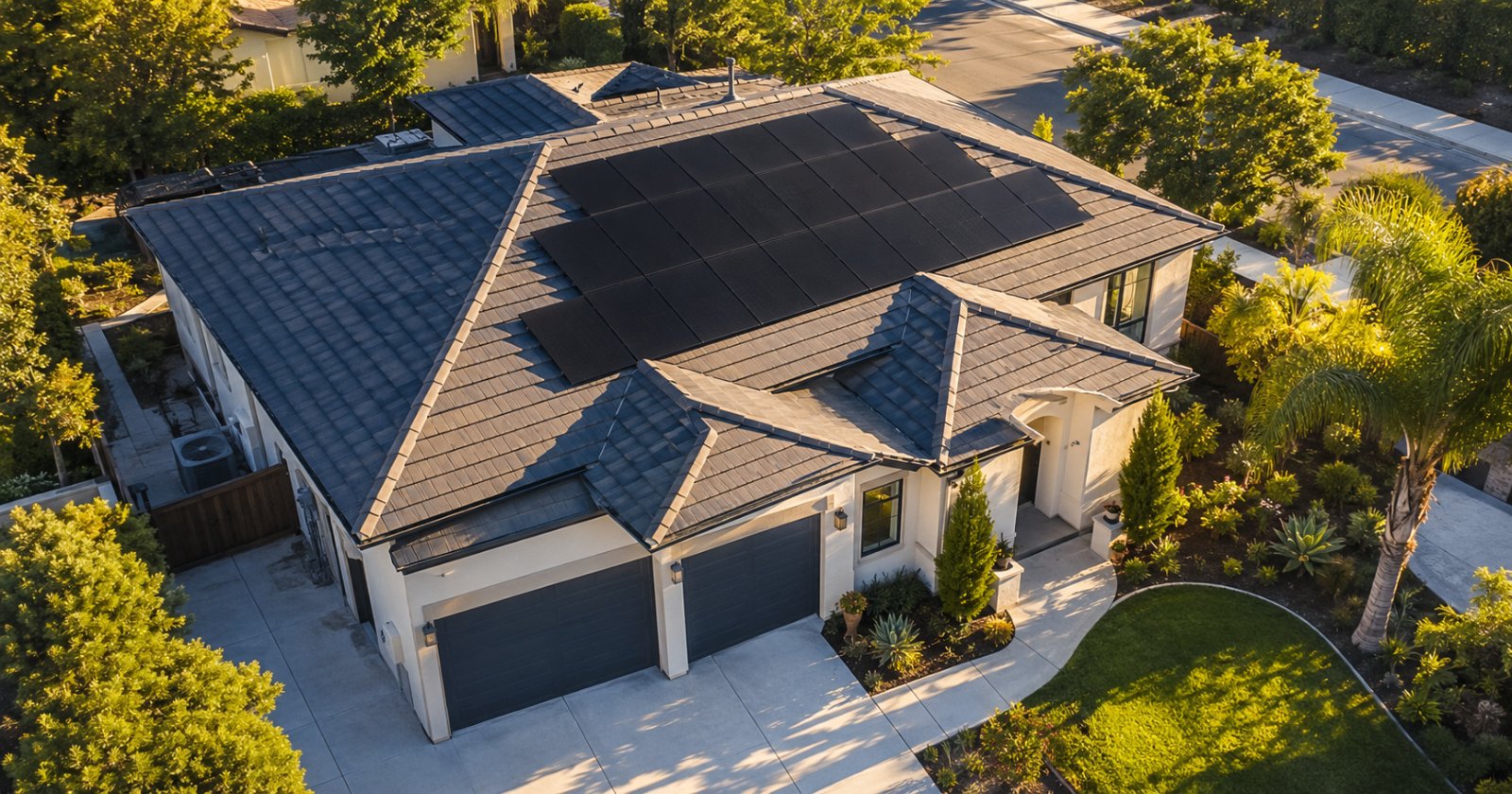
Most people start with the wrong question. They ask how many panels will fit on the roof. The number that actually matters is how many you need to cover the power you use. In California in 2026, under NEM 3.0, those two numbers are usually not the same, and filling your whole roof is often the more expensive mistake.
The number of solar panels you need is driven by your yearly electricity use (in kWh), not your roof size. A typical California home lands somewhere around 14 to 22 panels, but your real number depends on how much power you use, how much sun your roof gets, and the wattage of the panels. Under NEM 3.0, sizing to roughly cover your usage beats overbuilding, because exported power is worth far less than it used to be.
The short answer: it's about your usage, not your roof
Solar sizing works backward from your consumption. You figure out how much electricity your home burns through in a year, then build a system that produces about that much. A bigger roof doesn't mean you need more panels. A 3,000 square foot home with efficient appliances can need fewer panels than a smaller home running two AC units and an EV charger.
So before anyone counts panels, the real input is your annual usage. Everything else adjusts around it.
Start with your annual kWh
Pull up your utility bills. You want your total kilowatt-hours (kWh) used over the last 12 months, not the dollar amount. Most California utilities show a usage graph right on the bill or in your online account. Add up a full year if you can, since summer AC and winter heating swing the monthly numbers a lot.
If you only have a few months of history, take a recent bill and estimate, but know the estimate gets shakier. A whole year is worth pulling. Once you have that annual kWh figure, you have the single most important number in the entire sizing question.
A quick gut check: a lot of California homes land between 6,000 and 14,000 kWh a year. Add an EV or a pool pump and you climb fast.
Why bigger isn't better under NEM 3.0
This is the part that changed. Under the old net metering rules, overbuilding your system wasn't a big deal, because the utility credited your exported power at nearly the full retail rate. You could bank summer overproduction and draw it down in winter, close to one-for-one.
NEM 3.0 cut export credits sharply. Now the power you send back to the grid is worth a fraction of what you pay to buy it. That flips the math. Every panel past what you actually use produces power you're mostly giving away at a discount. So the sweet spot for most homes is a system sized to cover close to 100 percent of usage, not one that maxes out the roof. If you want to use more of your own production instead of exporting it cheap, that's where a battery comes in, which is a separate decision.
What actually changes the number
Two homes with identical usage can need different panel counts. Here's what moves it:
- Roof direction. South-facing roofs produce the most in California. West is solid. North-facing slopes produce noticeably less, so you need more panels there to make the same energy, and sometimes it isn't worth using that face at all.
- Shade. A tree or a neighbor's second story that shades your roof for part of the day drags down production. Shaded sections either need more panels to hit the target or get skipped.
- Panel wattage. Panels aren't all the same. A 440-watt panel makes more power than a 400-watt panel in the same footprint, so higher-wattage panels mean fewer panels for the same system size. Equipment tier matters here, and it's one of the things that varies between installer quotes.
- Roof space and obstructions. Vents, skylights, and hips break up usable area. Sometimes the roof simply can't fit the ideal number, and the design has to work around that.
This is why a clean "X panels for your house" answer needs your actual roof, not a rule of thumb.
Do you need a battery too?
Not to answer the panel question, but it's the natural follow-up. Because NEM 3.0 pays so little for exported power, a battery lets you store your daytime production and use it at night instead of buying expensive grid power. It doesn't change how many panels you need to cover usage, but it changes how much value you get out of them. Whether it pencils out depends on your rate plan and usage pattern, so treat it as its own line item, not an automatic add-on.
The fastest way to get your real number
You can estimate panel count by hand: take your annual kWh, divide by the yearly production of one panel in your area, and you're in the ballpark. But the honest version of this answer requires looking at your specific roof, its angles, its shade, and your usage together.
That's exactly what a preliminary design does. Put in your address and your usage, and you can see a system sized to your home, laid out on your actual roof, in a couple of minutes. No sales rep walking your property first, no phone call to sit through. From there you can compare real quotes from multiple installers side by side and see how equipment and price differ before anyone contacts you.
See your home's number and compare quotes in minutes at solarconnect.com. You stay in control the whole way, and nobody calls unless you ask them to.