← Back to Home
SB 868 Is Law. When Does Plug-In Solar Become Legal?
Governor Newsom signed SB 868 on September 30, 2026. Plug-in solar becomes legal in California on January 1, 2027. Here is what the law actually allows.
Governor Newsom signed SB 868 on September 30, 2026. It is now Chapter 985 of the 2026 statutes, and on January 1, 2027 plug-in solar becomes legal in California.
That is the short version. The longer version matters, because the law does something narrower than most of the coverage suggests, and the date it takes effect is three months away.
SB 868 was signed on September 30, 2026 and takes effect January 1, 2027. It lets you plug a small solar system, up to 1,200 watts AC per home, into a standard outlet without applying to your utility for interconnection. No fee, no waiting for approval, no electrician required. Your utility can ask you to register the unit, but registration is not permission and cannot be used to stop you. Until January 1 it is still not legal to plug one in.
What actually changed
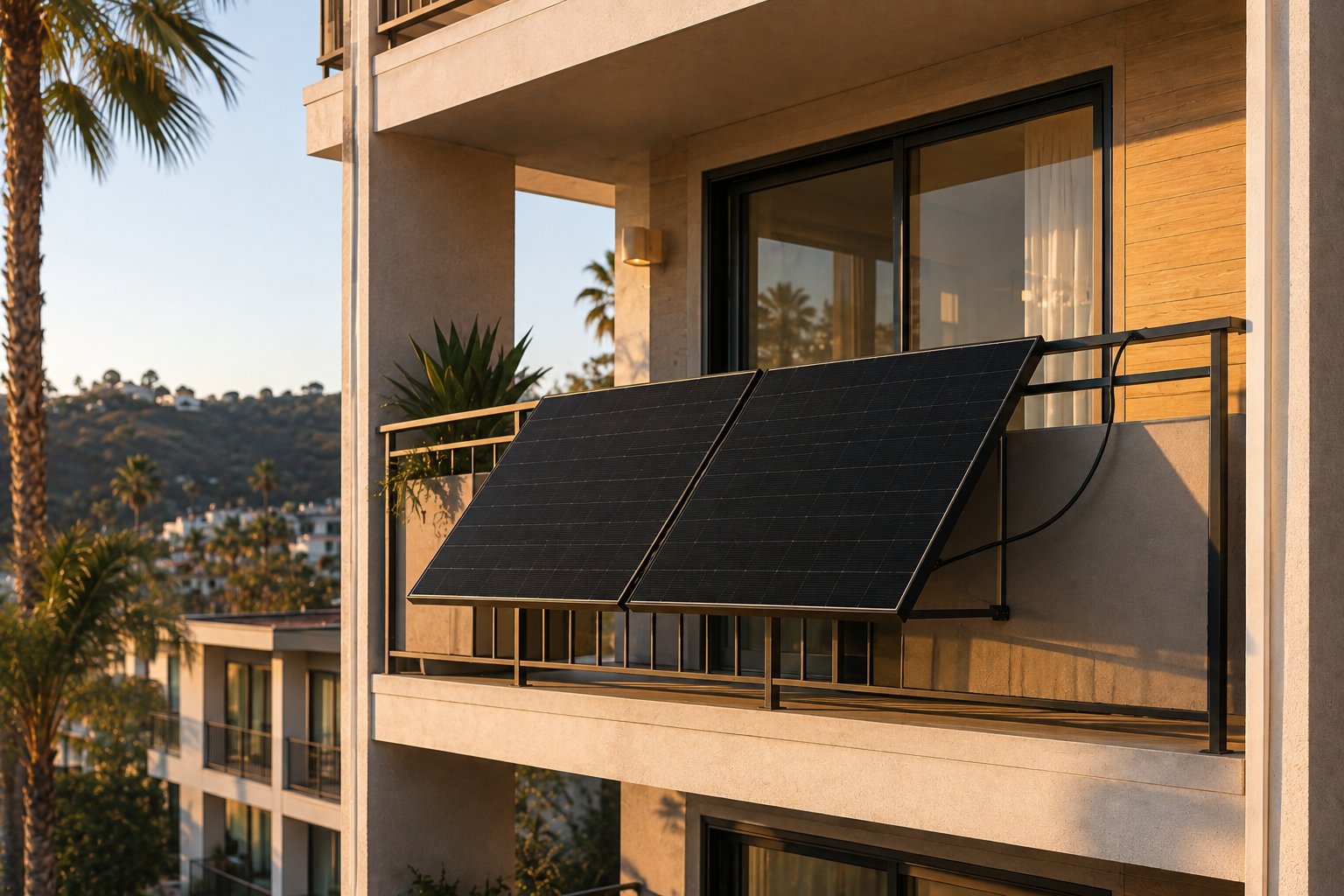
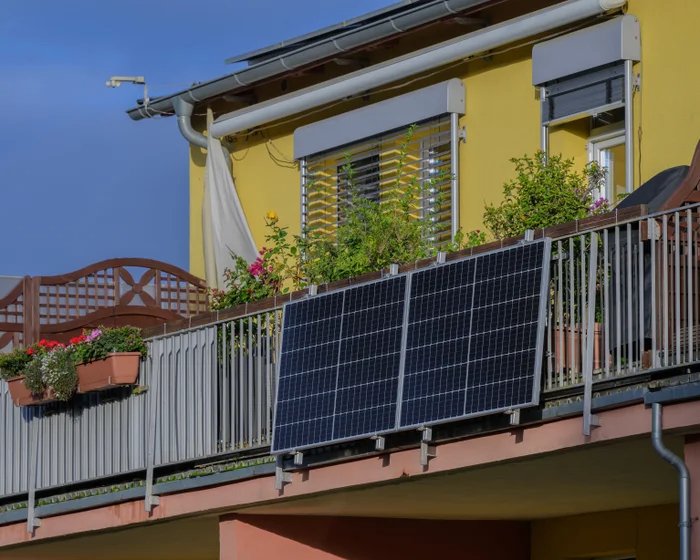
Plug-in solar has always been physically simple. You hang a panel on a balcony rail, a fence, or a flat roof, run a cord to a wall outlet, and the system feeds power into your home's circuits. Germany has over a million of them.
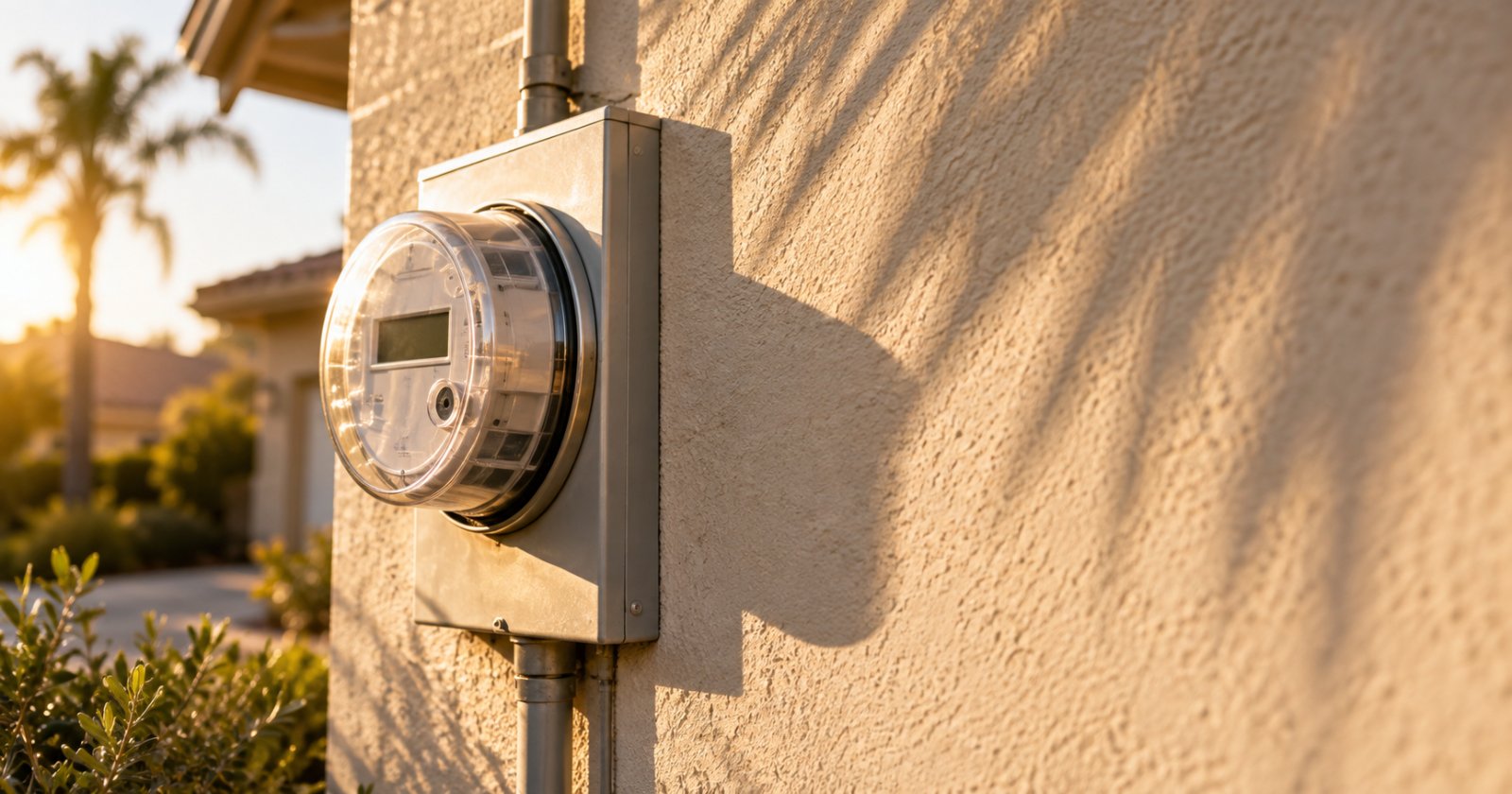
What stopped it in California was not the hardware. It was the paperwork. Any device that pushes power into a home's wiring triggered the utility interconnection process, the same process built for a full rooftop array. For a 600 watt panel that meant an application, a review queue, and in practice a refusal.
SB 868 removes that requirement for small systems. Up to 1,200 watts AC per dwelling, the interconnection application no longer applies, and the exemption runs through January 1, 2030.
The date everyone is getting wrong
Signed is not the same as in effect.
California bills passed in the regular session take effect on January 1 of the following year unless they carry an urgency clause. SB 868 does not. So the law exists, it is chaptered, and it is going to happen, but plugging a system in before January 1, 2027 is still outside the rules.
If you see a retailer advertising California plug-in solar as available right now, that is a company counting on you not knowing the difference between signed and effective. Worth remembering which companies those turn out to be.
What your utility can and cannot do
This is the part of the law doing the real work.
Your utility can require you to register the system. Make, model, size. That is it.
Registration is not an application. There is no queue, no approval to wait for, and no fee. The utility cannot withhold registration to prevent an install, and cannot treat a registered plug-in system as grounds to change your service or your rate.
The practical effect is that the decision moves from the utility to you, which for anyone who has sat in an interconnection queue is the entire point of the bill.
Who this is actually for
Renters, first. This is the group California's solar policy has never had an answer for. You cannot put panels on a roof you do not own, and no financing product solves that. A plug-in system goes with you when you move.
Condo and apartment residents with a balcony. Anyone whose roof is shaded, north-facing, too old, or too small to justify a full array. Anyone who wants to cover a baseline load, a fridge and a few always-on devices, without a five-figure decision.
What it is not for is replacing a rooftop system. 1,200 watts is a cap on the whole dwelling, and a typical California home uses far more than that. Expect a plug-in system to shave a portion of your bill, not eliminate it. Anyone promising otherwise is selling.
What to do between now and January
Three things worth knowing before you buy.
Certification will matter. The law is written around equipment certified as a plug-in photovoltaic system, including its anti-backfeeding protection, which is what stops the unit energising a circuit during an outage. Check for that certification mark before you buy anything, especially from an overseas seller listing a product that was designed for the German market and never tested to a US standard.
Your lease and your HOA still apply. SB 868 removes the utility from the equation. It does not override a lease, and it does not override an HOA's rules about what hangs off a balcony. If you rent, that is a conversation to have with whoever owns the building, and it is easier to have now than after a box arrives.
Do not pay a deposit on a system that cannot ship legally yet. A waitlist is fine. Money changing hands for a product that is not legal to use for another three months is a different thing.
If you own your roof
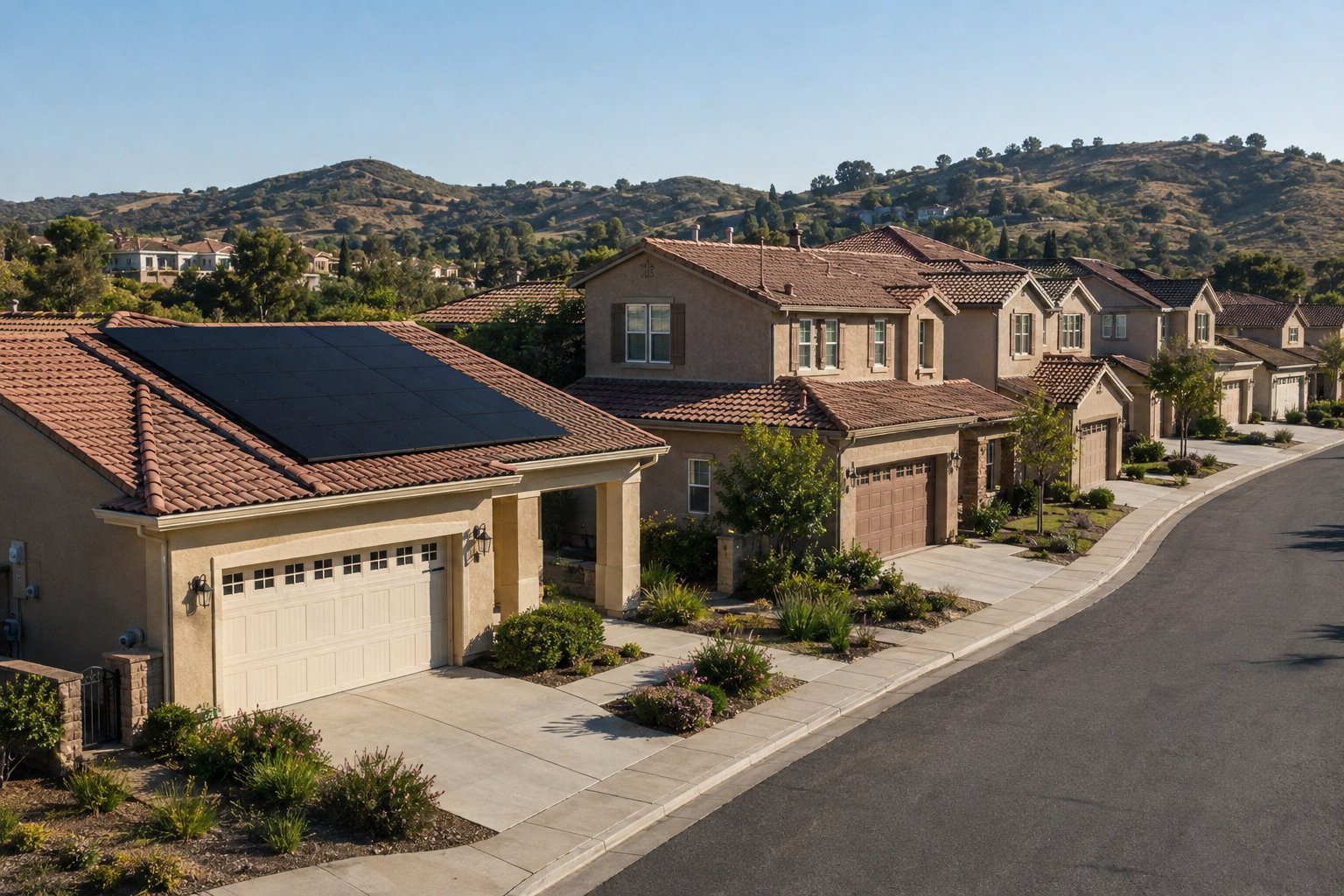
Plug-in solar is a genuinely useful product for the people who have no other option. If you own a house with a usable roof, it is not the thing to wait for.
A rooftop system is a different scale entirely, and the economics changed in 2026 when the federal residential credit expired and leases and PPAs became competitive again for the first time in years. That math is worth running now rather than in January, and it has nothing to do with SB 868.
Want to see what your roof would actually produce? Get multiple quotes from vetted installers in minutes, with no sales calls.
And if plug-in is the right fit, we are tracking the law through to the effective date. See where SB 868 stands, and we will write once there is something you can actually buy.