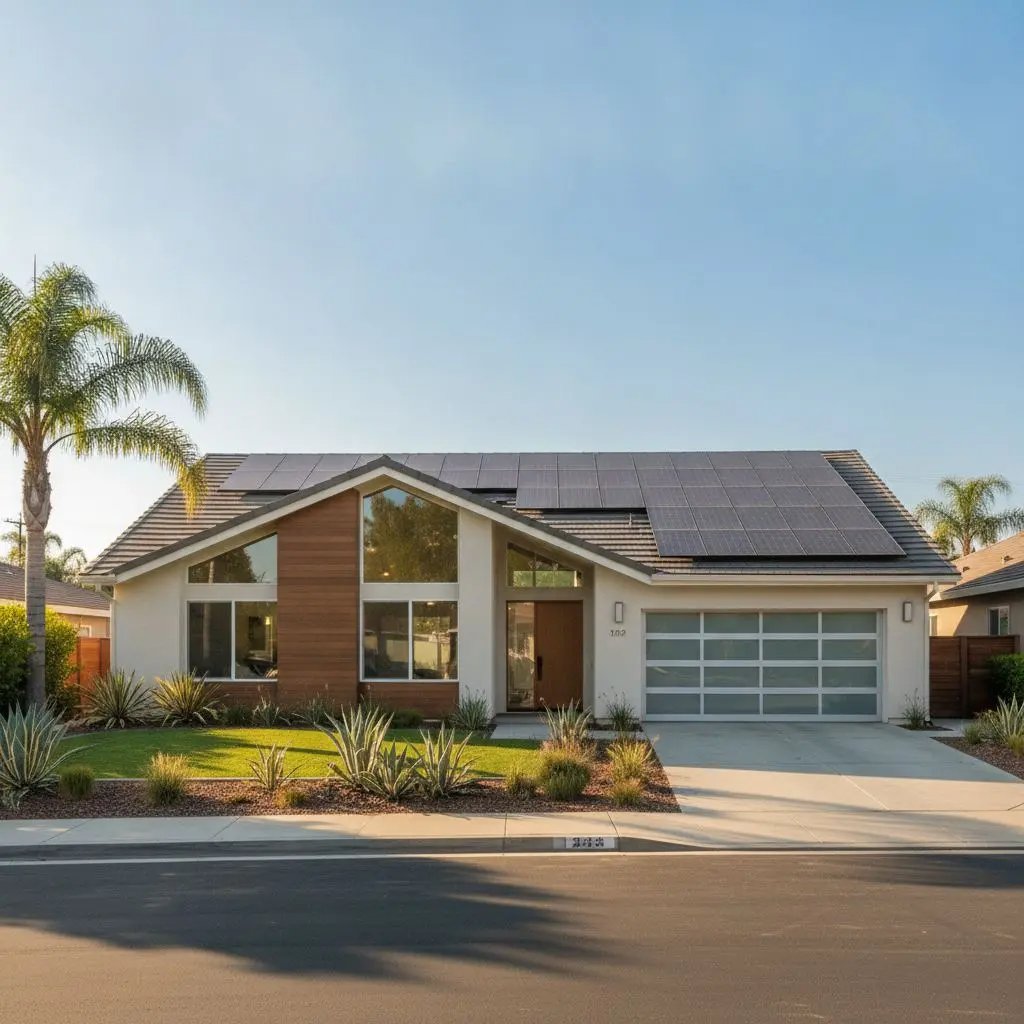
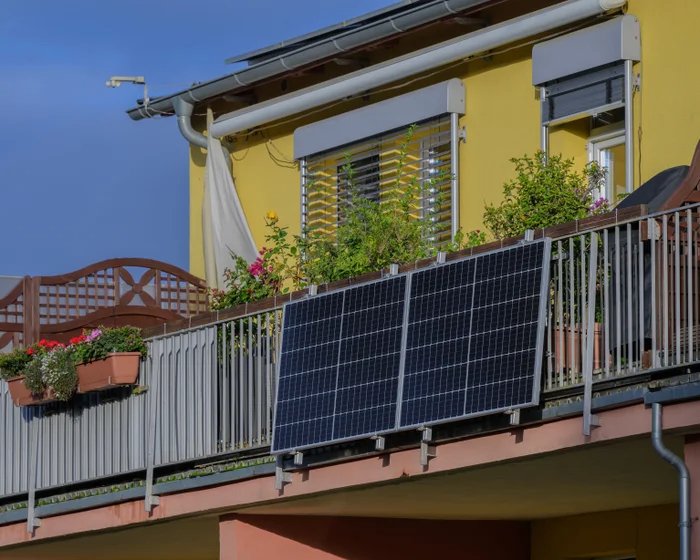
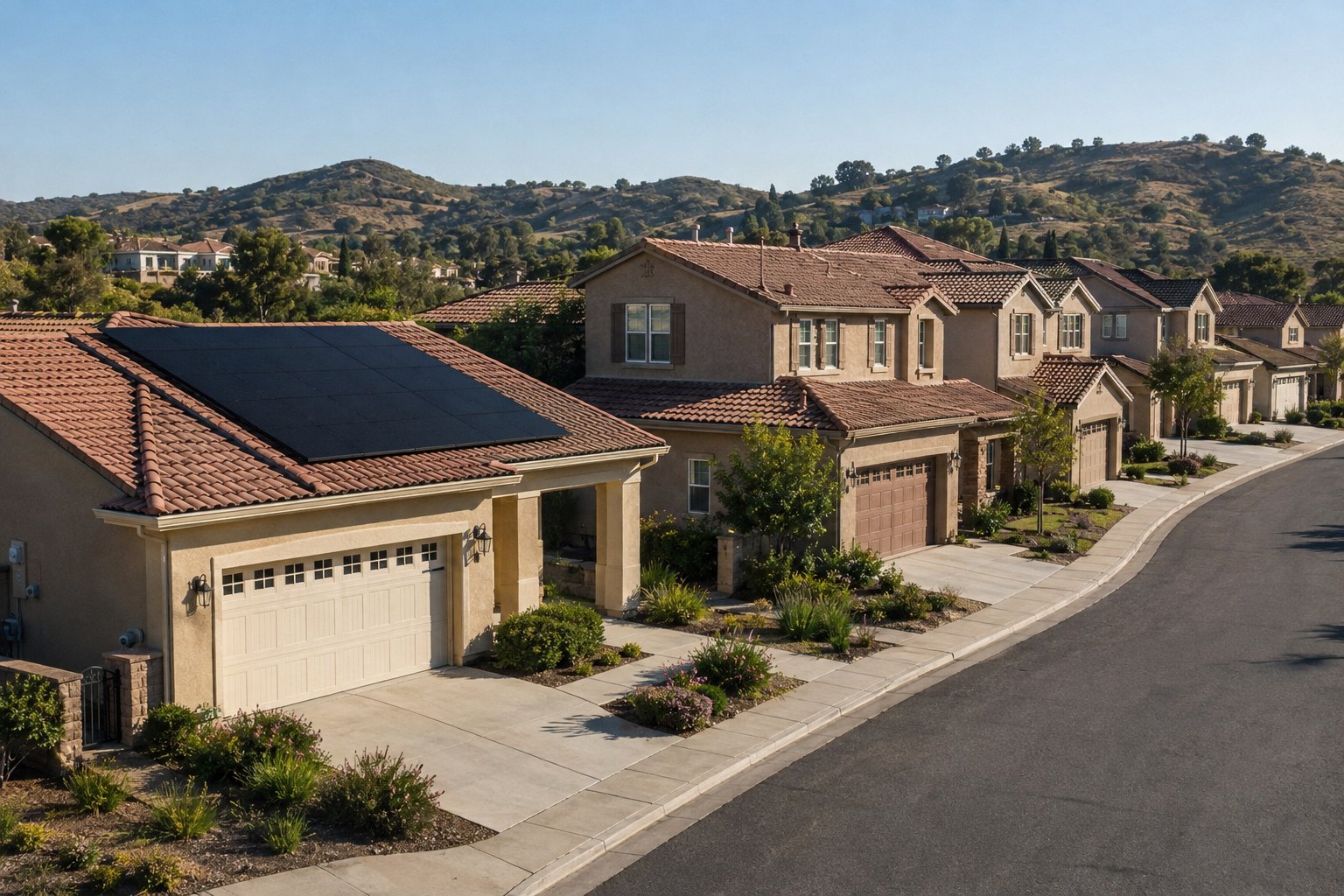
California's solar property tax exclusion ends January 1, 2027, and it runs on your completion date. Here's the calendar math, and when rushing is a mistake.
California's solar property tax exclusion stops applying to newly finished systems on January 1, 2027. If you are asking whether you should go solar before 2027, the real question underneath it is a calendar question, and it is one most homeowners never get asked straight. So here it is straight.
California does not reassess your property for adding solar, and that protection ends for systems completed on or after January 1, 2027. The deadline runs on your completion date, not the day you sign. A typical California project takes six to fourteen weeks. Starting in early November puts you in the lower half of that range, which is possible but not comfortable, and there are real situations where missing the date is the better outcome.
What the January 1 deadline actually is
State law has told county assessors for decades not to treat an active solar energy system as new construction. Add a bedroom and the assessor values the addition and your tax bill goes up. Add panels and nothing happens to your assessment.
That carve-out expires at the start of 2027. From that point a newly finished system is treated like any other improvement, and the assessor puts a value on what it added.
Two things people get wrong about this. Your whole house does not get reassessed, only the value attributed to the system. And the protection is not retroactive in reverse: a bill signed in October 2025 confirmed that systems qualifying before the sunset keep the exclusion for as long as you own the home. If you finish in 2026, it is yours. We wrote up
what the exclusion is and who it protects in more detail.
There was a bill that would have extended the deadline for small residential systems. It stalled in Assembly Appropriations in May and did not move again before the session ended. Planning around a rescue that is not coming is how people end up disappointed.
The deadline runs on completion, not your contract date
This is the part that trips people up, and it is the single most expensive misunderstanding available right now.
Signing a contract in December does nothing for you. Pulling a permit in December does nothing for you. The system has to be finished. A project sold the week before Christmas and installed in February sits on the wrong side of the line, and no amount of paperwork backdating fixes that.
There is a further wrinkle worth raising with your county directly. "Finished" can reasonably mean the date the building inspector signs off, or it can mean the date the utility grants permission to operate, and those two are commonly two to six weeks apart. Ask your assessor's office which one they key on before you let a salesperson tell you a January install is close enough. They will answer a direct question, and it costs you a phone call.
Do the math on your own calendar
A California residential solar project typically runs
six to fourteen weeks from signature to switched on. The panels go up in one to three days. Everything else is waiting on a permit office and a utility, and neither of those is under your installer's control.
Count backward from January 1 and the picture is clear enough.
A project starting the first week of November has roughly eight weeks. That is inside the range, but only if the permit comes back fast and the utility is not backed up in your area. A project at the six-week end finishes around mid-December with room to spare. A project at the ten-week mark lands in the first week of January and misses by days, which is the most frustrating possible outcome.
So the honest answer is: it depends almost entirely on your jurisdiction. Some California cities run automated permitting that approves a standard residential system the same day. Others take six weeks. The difference between those two is the difference between making this deadline and not, and it has nothing to do with how good your installer is.
Ask any installer quoting you two specific questions. What is your current permit turnaround in my city, and what is the utility's current permission-to-operate backlog. An installer working your area every week knows both numbers. Vague answers to those questions tell you something.
What missing the deadline actually costs you
Less drama than the countdown emails suggest.
If your system is finished in 2027, the assessor values what the system added to your property and that value goes on your bill. How much depends on your county and on how the assessor values it, which is exactly why you should not accept a number from anyone selling you panels. A tax professional or the assessor's office can speak to your situation. A quote cannot.
It is a real cost and it is worth trying to beat. It is not a reason to sign something bad in December.
Worth keeping in proportion: this is the second incentive to come off the table in about a year, after the federal residential credit expired at the end of 2025. Solar economics in California now rest mostly on what you pay for electricity and what the system costs, not on incentives. That was already true before this deadline and will be true after it. If you have not looked recently,
what systems are actually costing here has moved.
When rushing is the wrong call
Some projects should not be compressed to hit a date.
A roof near the end of its life is the clearest one. Putting panels on a roof that needs replacing in four years means paying to remove and reinstall them later, and that bill will dwarf what the deadline was worth. Do the roof first even if it costs you the exclusion.
An electrical service that needs upgrading is another. If your main panel cannot carry the system, the utility has to be involved, and that can add months on its own. Rushing does not make that queue shorter.
And the one nobody says out loud: a deadline is leverage, and some sales processes will use it. If a proposal arrives with a price that moves depending on how fast you sign, or a financing structure you do not fully understand, the deadline is not a reason to skip reading it. You will live with a twenty-five year system and whatever loan or lease is attached to it long after January 2027 stops meaning anything.
What to do this week if you want a real shot
Get quotes in hand now rather than next month. Not because of pressure, but because at this point the calendar is doing the deciding and every week of shopping is a week off the back end.
When you have them, ask each installer for a projected completion date in writing, not an install date. Ask what happens to that date if the permit review comes back with corrections. And confirm which milestone your county treats as completion, so everyone is working toward the same finish line.
If the answers come back and the timeline does not work, that is useful information too. A January or February install with a roof done properly and a contract you actually read is a better outcome than a December scramble.
The deadline is real. It is just not the only thing that matters about this decision.
Compare top installers in your area.