← Back to Home
Level 2 EV Charger Installation Cost in 2026: What You Actually Pay
Level 2 EV charger installation costs $500 to $4,000+ in 2026 depending on panel capacity, conduit run, and permit fees. Here is what drives the price.

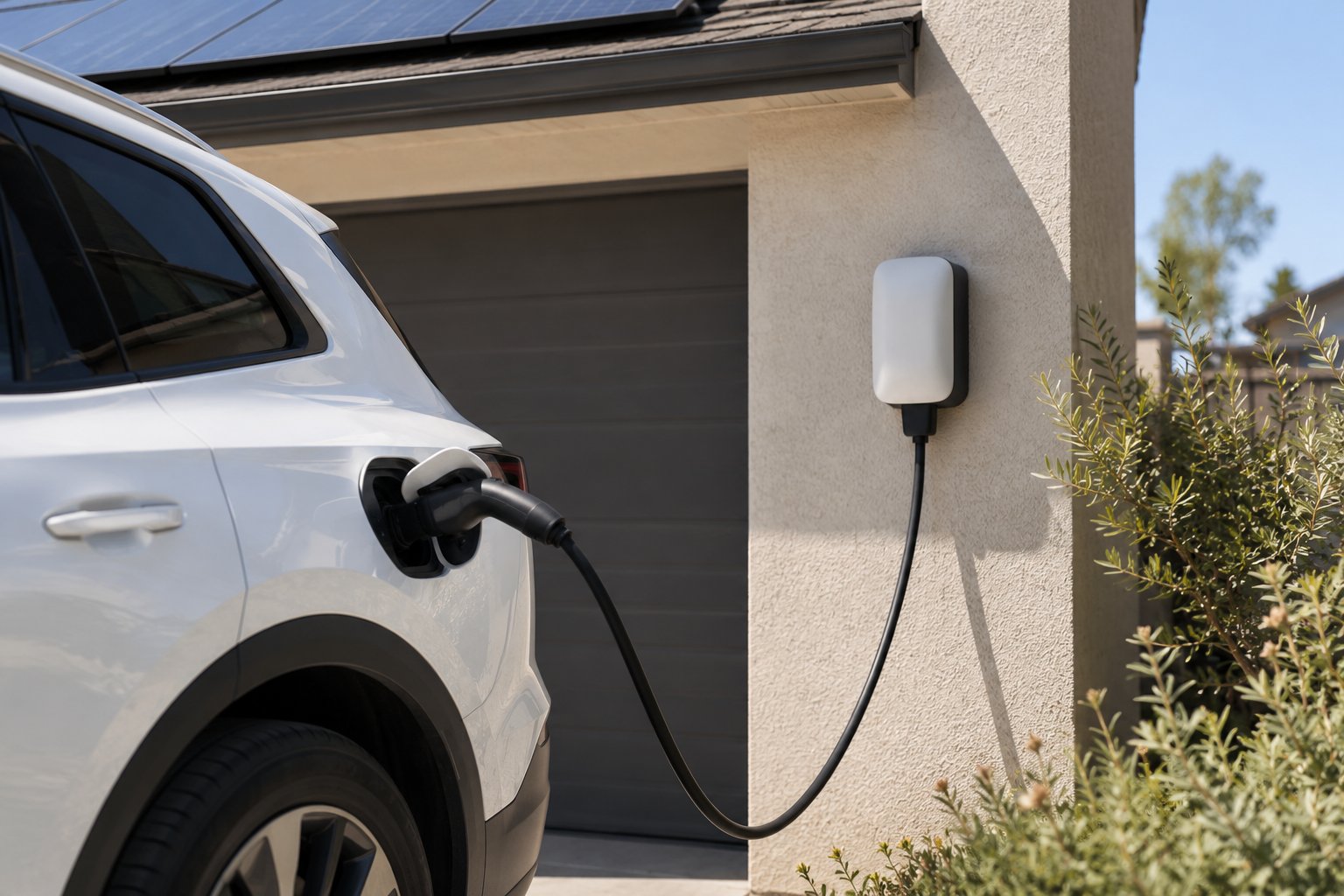
Level 2 EV charger installation cost in 2026 typically runs $500 to $4,000+ all-in. The charger itself is $300-$1,000. Installation labor and materials are $200-$3,000+ depending on three variables: distance from your electrical panel, whether your panel has spare 240V capacity, and local permit fees. If your panel needs upgrading (200A to 400A), add $1,500-$4,000 more.
What's actually in the cost
- The Level 2 charger (hardware): $300-$1,000
- Electrician labor and materials: $200-$3,000
- Permit and inspection: $50-$500
- Panel upgrade if needed: $1,500-$4,000 extra
- Conduit run if charger is far from panel: $200-$1,500 extra
The three variables that drive your specific cost
1. Distance from electrical panel. Short conduit run (10 ft, attached garage) is the cheapest scenario. Long run (50+ ft, detached garage or exterior wall) adds material and labor.
2. Panel capacity. A 200A main panel with spare capacity handles a 50A EV charger easily. An older 100A or 125A panel may need an upgrade or load management device.
3. Local permits. Permit fees vary by city. California cities often charge $100-$400 for electrical permits including EV chargers. Some require additional load calculation reports.
Cost by installation scenario
- Easy install ($500-$1,200 all-in): newer home, panel attached to garage with spare 240V capacity, short conduit run
- Standard install ($1,200-$2,500 all-in): older home but adequate panel, moderate conduit run, standard permit
- Hard install ($2,500-$4,000+ all-in): older panel needs upgrade, long conduit run, multiple permit requirements
Why panel upgrades are the wild card
- Many homes pre-2000 have 100A or 125A main panels
- Adding a 50A EV charger circuit can push the panel over capacity
- Two options: panel upgrade ($1,500-$4,000) or load management device ($300-$800)
- Load management devices are cheaper but limit charging when other loads are running
What to ask the electrician in the quote
- "What size is my main electrical panel and what is the current load?"
- "Will the EV charger circuit need a panel upgrade?"
- "What is the conduit run length from panel to charger location?"
- "Is the permit fee included or extra?"
- "Are you handling the rebate paperwork if a utility offers one?"
Utility and tax incentives in 2026
- The federal EV charger tax credit (30%, up to $1,000) ended December 31, 2025 for new installs
- California utility programs: SCE, PG&E, SDG&E have various Level 2 charger rebates (varies year to year, check current at time of publish)
- Some local jurisdictions offer additional rebates
Pairing with solar can change the math
- If you have or are installing solar, the charger install can often be bundled with the solar permit, saving permit fees
- The cost-per-mile of charging from solar is much lower than charging from grid
- Link to "best EV chargers for solar homes" once that post is live
Frequently asked questions
- Can I install a Level 2 charger myself? (legally no in most cities; explain why)
- How long does the install take? (1 day typical, more if panel upgrade)
- Do I need a permit? (yes, almost everywhere)
- Does my homeowners insurance cover it? (usually yes if installed by licensed electrician)
- What if I rent? (landlord permission required, less common product)